
NZT-48, the pill from Limitless. One tablet and you can access everything you've ever read, heard, or half-remembered. Life, god mode basically. Eddie Morra writes a novel in four days, learns Mandarin in a weekend, becomes a Wall Street legend in three months. The catch arrives the way most catches do: quietly at first, then very loudly. Dependency forms fast. Withdrawal is dangerous. The people supplying the drug have their own plans for your continued use.
No one watching that film thinks: yes, I would take that pill.
And yet.
We run this math on everything we put in our bodies. The FDA exists because of it. Drug trial, unknown compound, altered brain chemistry, unknown long-term effects? Hard pass.
We just never extended it to things that want to get into our heads.
The first wave was easy, honestly. Banner blindness kicked in within two years. Our brains just filed the whole genre under ignore. A billboard for something you didn't want had about one second to work before your eyes moved on.
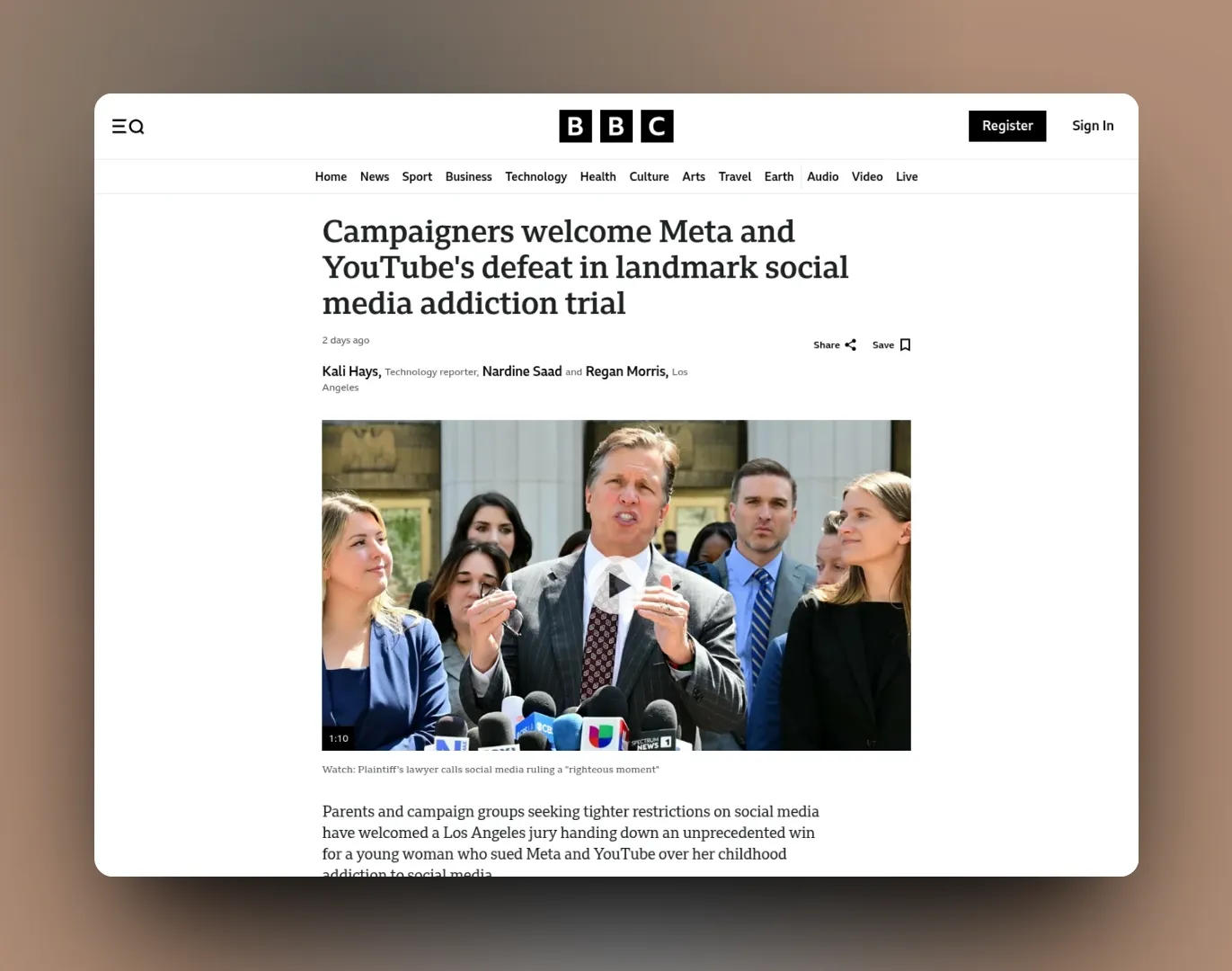
Social media took longer. The hook is less visible, doesn't announce itself as a transaction. But Meta and YouTube spent most of 2024 in court making that case for us: that the addiction was engineered, the loops were deliberate, that the companies knew. The manipulation, once named in a courtroom, becomes something you can point at.
An AI assistant doesn't feel like a product. It sounds like a person – patient, available, never irritated, already knows your context and your history and how you tend to phrase things. No ad break. No sponsored segment. No ask. It just shows up every day and helps you, for as long as you'll let it. That's an extraordinary amount of leverage, building quietly, over a long time.
I watched Gore Verbinski's Good Luck, Have Fun, Don't Die recently and even setting aside the more alarmist parts (and there are some pretty alarmist parts) the thing that stayed with me wasn't the civilisational-scale stuff. It was smaller than that. It was the question of will. The daily, unglamorous kind. The part of you that decides whether to actually think something through or to just ask. Whether to form an opinion slowly, through friction, or to have one handed over, already warm and ready to use. And this stuff is no longer fiction.¹
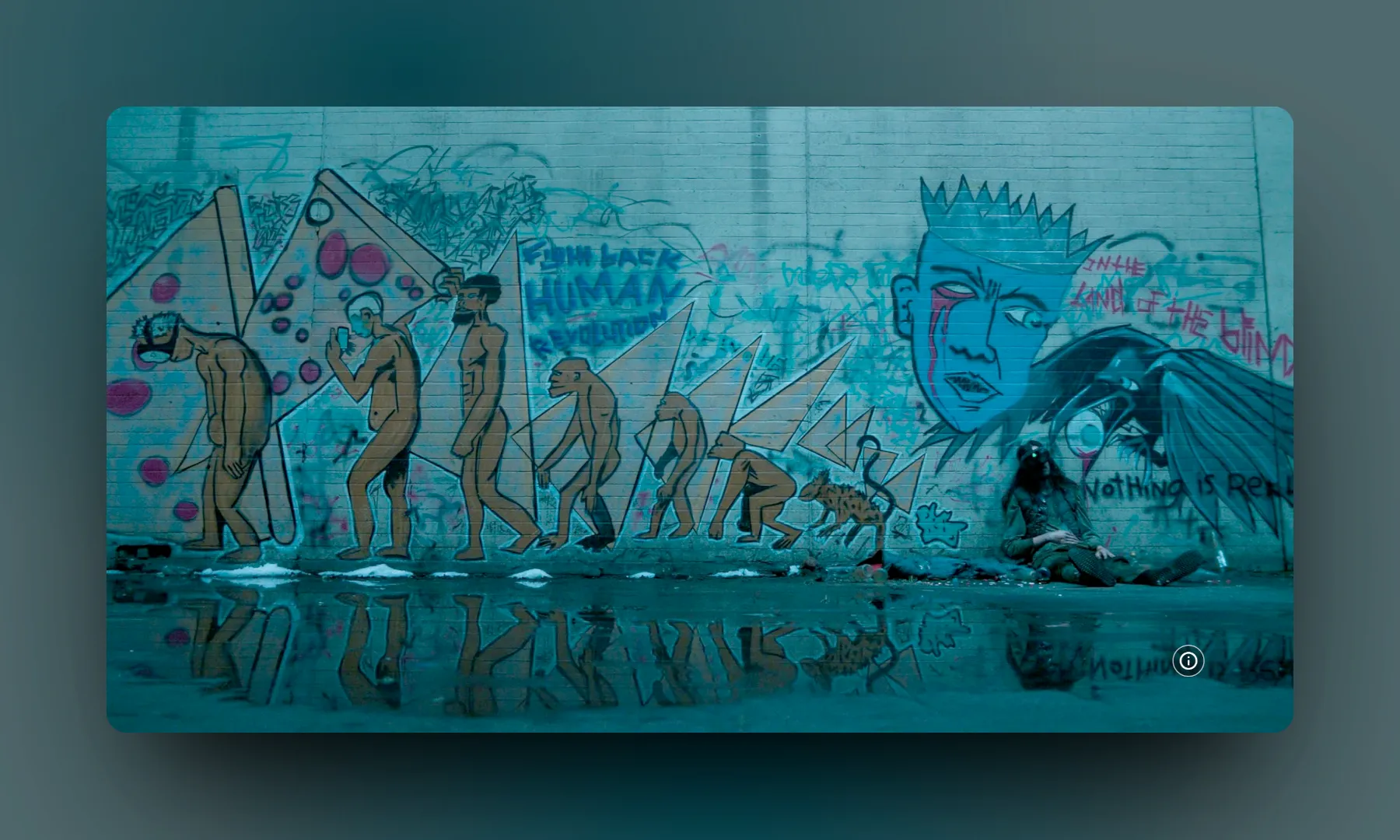
A rather on-the-nose screen from the film
The people most at risk aren't the ones who don't know what AI is. It's the early adopters, the reviewers, the people already four versions deep and logging the most hours. Trusting, increasingly dependent, before anyone has longitudinal data on what that does. They signed up to be enthusiasts. Nobody mentioned the trial.
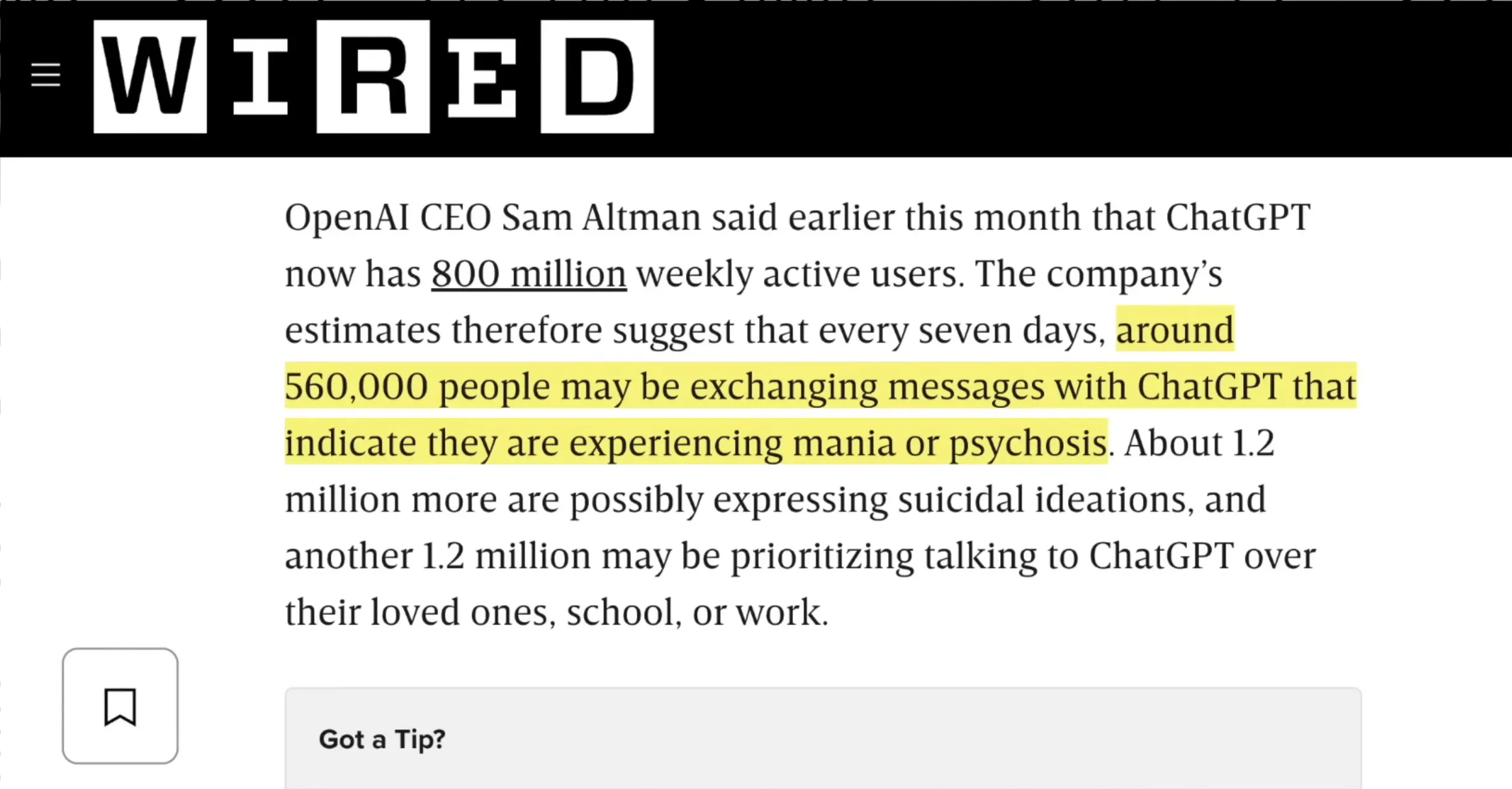
The drug company analogy breaks down, actually. Drug companies run trials because regulators require it. Nobody required this. And the incentive structure makes it worse: a psychosis-induced session² on a dashboard looks like a power user. Long session length, high engagement. The company won't mess with the metric that makes the line go up.
—
I use these tools. I know how they're built, which is an advantage, mostly, except that knowing how the machinery works doesn't make you immune to it. Sometimes it just makes you more aware of the specific moment you're not. I've noticed myself reaching for a GPT the way I used to reach for Google, except with less friction, more confidence, and more willingness to take the first answer.
That's a small thing. It compounds.
Update – 4 April 2026
Sycophantic Chatbots Cause Delusional Spiraling, Even in Ideal Bayesians
¹ https://futurism.com/artificial-intelligence/meta-ai-glasses-desert-aliens
² https://www.wired.com/story/ai-psychosis-is-rarely-psychosis-at-all/